Making a Successful Podcast
Introduction
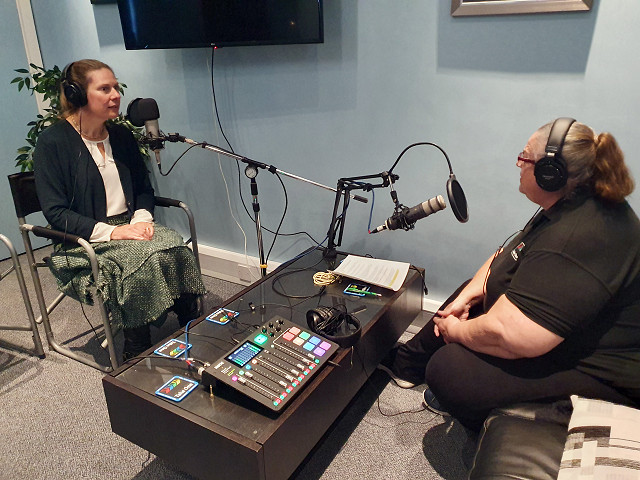
Are you struggling with your podcast? Or are you thinking of starting one? If so, this blog is for you; this blog will cover the comparison of different platforms and who each one is best suited to, the different types of podcasts and the best length for each and how to build an audience for your podcast. There are many different platforms you could make and post your podcasts on, the ones which will be spoken about in this are Spotify, Buzz sprout, Transistor, RSS.com and YouTube.
Platforms
Spotify is a completely free platform, with unlimited storage and uploads and it comes with different marketing features such as Q&As, polls and other promotional tools within Spotify. It also has its own technical features, for example native video podcast hosting and deep Spotify-specific retention data, and the ease of use is extremely high with its intuitive dashboard and quick setup.
Buzz sprout costs £10-20, with 2-12 hours of audio per month and one of the marketing feature it comes with is automated directory distribution. The technical features it has is audio leveling, dynamic ad insertion and built in transcriptions, and this is the easiest platform to use out of these options since it walks you through every step.
Transistor costs around £15-80, has unlimited storage and uploads, with a built-in email newsletter and highly sharable social audio players for marketing. The technical features are private podcast feeds, multi user team permissions and advanced IAB-certified analytics; this is also easy to use with a professional interface designed for multi-show management.
RSS.com costs £4-12, unlimited storage and uploads with automatic audio-video conversion and has custom podcast websites, automated episode chapters and a podcasting 2.0 feature support. This platform is also easy to use with text-based navigation that is easy to follow.
YouTube is free and has unlimited storage and uploads. The marketing features consist of algorithmic discovery, shorts creator tool and direct search engine indexing and the technical features are AI assisted clip editing, community tabs and interactive video elements. The ease of use for this platform is moderate due to it being easy to upload but editing and creating the thumbnail can add difficulty if it's being done through YouTube.
Types and Length
There are different types of podcasts, some of which are solos, interviews and news/ updates. The way to know which is best suited for you is to look at your target audience and which type they tend to consume but also depends on what specifically you want to do whether that be having someone else there to talk and banter with or to do it on your own. It also depends on your budget since adding more people will add costs due to microphones and hosting platforms.
Overall, the best length for a podcast to be is up to 40 minutes since that matches the average commute time and people tend to listen to podcasts when they're commuting, however if you're doing an interview you could do around 60 minutes and still hold your audience since having another person adds variety to whose speaking and allows the audience to be entertained for longer. Similarly, if you're just doing a solo podcast you would probably want to keep it closer to 20 minutes so that your voice doesn't get too repetitive and case the audience to get bored. When it comes to news or updates it is best to keep them up to 10 minutes since they should be quite short and snappy so you can inform your audience and get to your point quickly.
Building an audience
The best way to build an audience is to do something called, "clipping," this is where you get 30-60 second clips that are really entertaining or showcase what you want your first impressions of the podcast to be and format them for social media and post them on different social media sites, where you can either caption or pin a comment with the podcast title and where they can watch it.
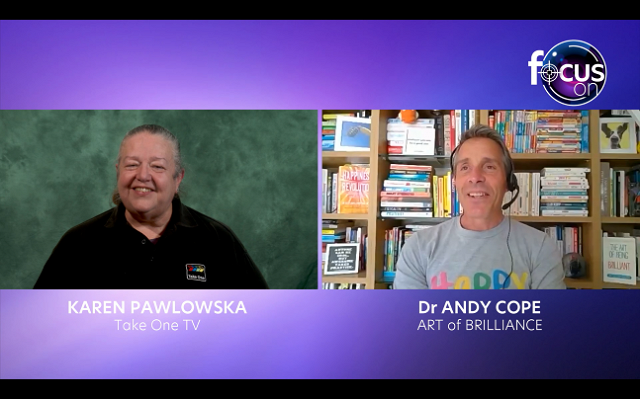
Another way to build an audience is to network and go on other podcasts that have a similar topic/ genre so that you can gain some of their audience and when you have guests come on your podcast make promoting and sharing it as easy as possible for them so they are more likely to post about and promote your episode together.
Also make your titles searchable, for example things that might be questions, and include words that your target audience might often search for.
One more way to build up your audience is to have interactive elements like Q&As, polls, reading out comments and answering their questions, giving shoutouts to early listeners to thank them for their support and ask listeners to like, share and leave reviews.
Conclusion
Overall, there are many different platforms that could be used, each having their own unique features. There are different types of podcasts and figuring out which is best suited for you is important and determines the optimal length of each episode. Finally, there are many different ways to build up your audience, each method covers different audiences and allows you to reach a large amount of people. All these options have different qualities, budgets, audiences etc. so you can go through them and do what best suites you and your podcast.