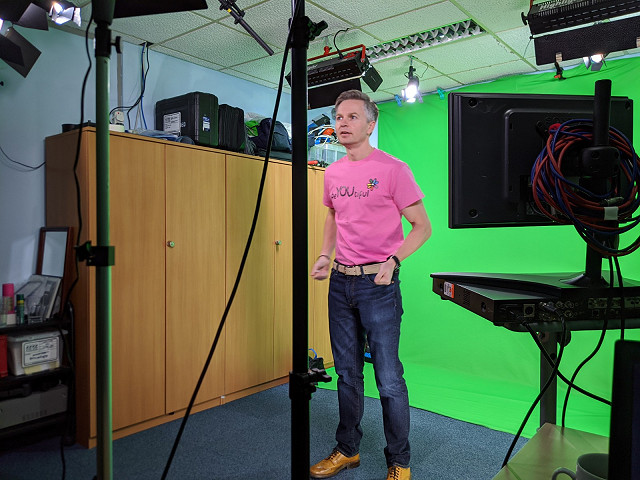
Preparing to be on camera
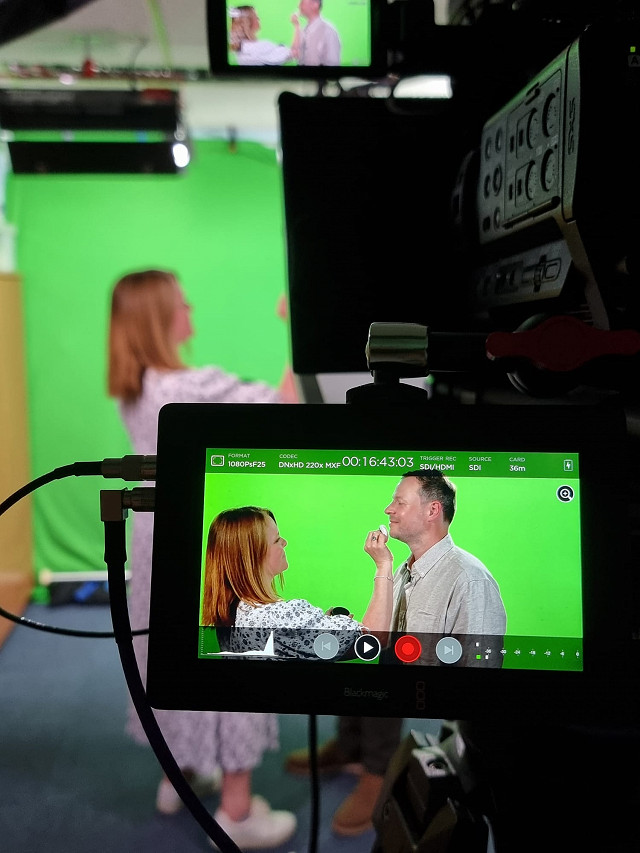
Introduction
Video is a great way for businesses to connect with customers. Whether you are promoting a product, explaining a service, or sharing information on social media, appearing on camera helps people trust your business. Although many people feel nervous about being filmed, good preparation can make the experience much easier.
Plan Your Message
The first step is to plan what you want to say. Think about the main message you want your audience to remember. Keep your video simple and focus on one topic. Writing a few notes or a short script can help you stay organised and avoid forgetting important points. Practising before you start filming is also important.
Practice Before filming
Read your script out loud several times so that you sound natural and confident. You do not need to remember every word, but you should know your main points well. If you make a mistake while recording, you can simply pause and start again.
Right Location and Lighting
Choose a quiet place to film where there is little background noise. Make sure the background is tidy and suitable for your business. Good lighting is also important. Natural light from a window works well, or you can use a lamp or ring light to make sure your face is clearly visible.
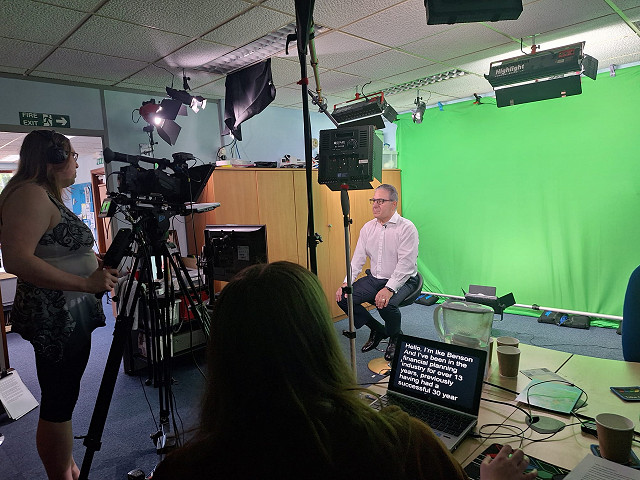
Present Yourself Confidently
Wear clothes that are comfortable and suitable for your business. Plain colours usually look better on camera than busy patterns. Looking professional helps create a good first impression. When speaking, look directly into the camera instead of at the screen. This makes it feel like you are talking to your audience. Sit or stand up straight, smile naturally, and speak clearly at a steady pace. Friendly body language helps viewers feel more connected to you and your business.
Check Equipment
Before recording, check your equipment. Make sure your camera or phone is clean, fully charged, and positioned at eye level. Test the microphone to ensure your voice is clear, and record a short practice clip to check the picture and sound quality.
Build Confidence
Finally, remember that it is normal to feel nervous. Most people become more confident the more they practice. Your audience is interested in what you have to say, not in you being perfect.
In conclusion, preparing before appearing on camera helps you create professional and engaging videos. By planning your message, practising, choosing a good location, and checking your equipment, you can present your business with confidence and make a positive impression on your audience.